Mittelmotor oder Hinterradnabenmotor – welcher E-Bike-Antrieb passt zu Dir? Der Vergleich zu Fahrgefühl, Steigungen, Wartung, Gewicht, Preis und Einsatzzweck mit klarer Entscheidungshilfe.
By Fabian Huber 2 minutes read time


There are many basic things to consider when buying a bicycle with an electric motor. The question of what type of "drive train" you want is also crucial. There are significant differences here that you should pay attention to.
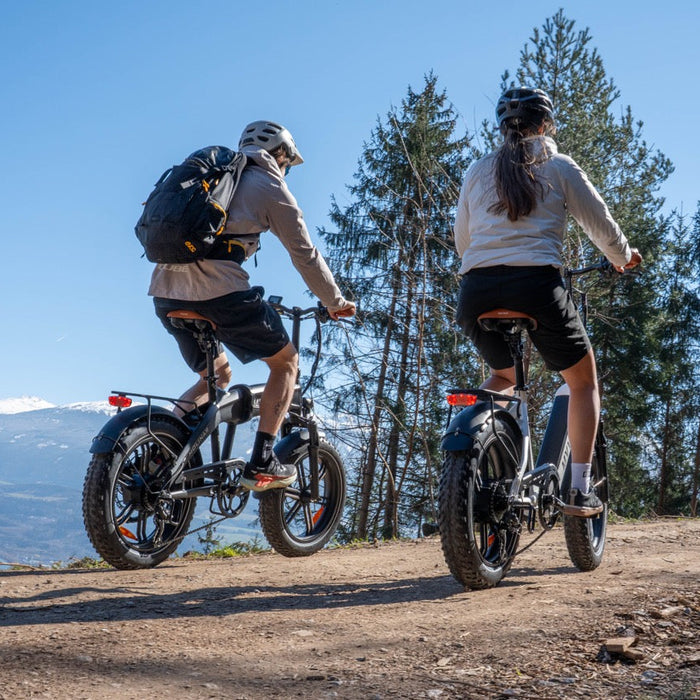
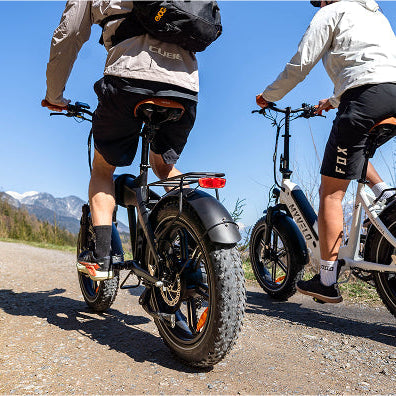
MYVELO uses Bafang rear hub motors for its folding bikes - robust, direct, powerful, wear-free... This is what makes electric bikes fun. The advantage is clear. The power from the electric motor is directly where it is needed - on the rear wheel. This is where the enormous torque is transferred directly to the road.
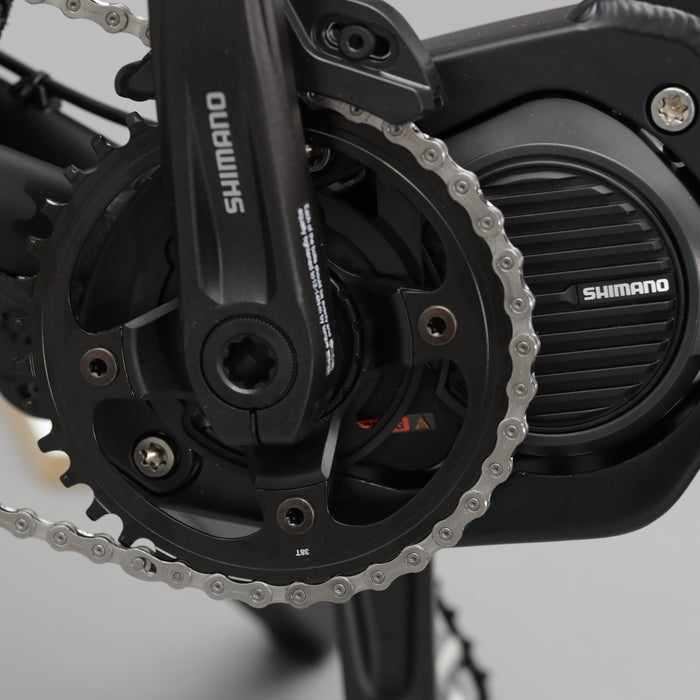
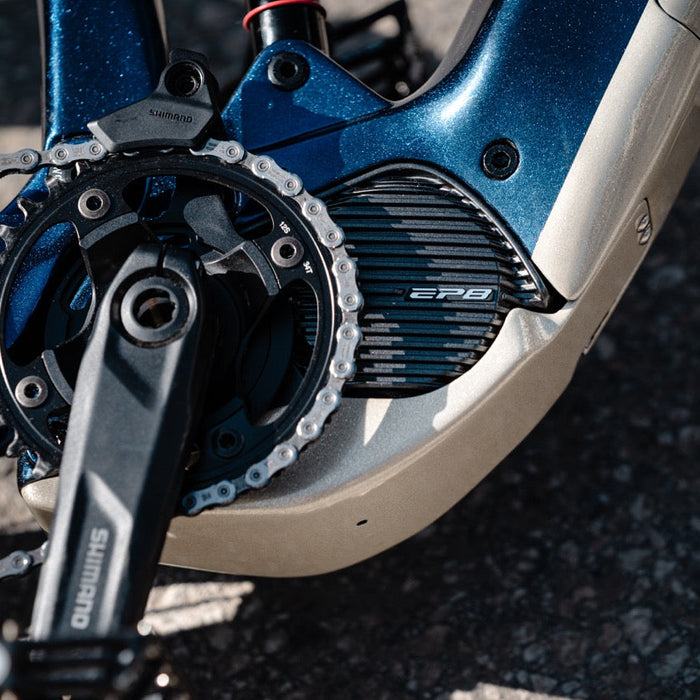
In comparison to the Pedelec mid-engine from Bosch or Shimano, no detour is taken via the entire drive train (chainring, chain, cassette, rear derailleur). This also avoids unnecessary and costly wear and tear on the drive components. Our test E Bike Rio has now been in continuous use for 8,000 km without detecting any significant signs of wear or aging.
Another advantage is that the bike can be ridden normally without switching on the electric motor - without the resistance that comes from an earlier Bosch Pedelec mid-engine, for example, when the support is switched off.
In combination with our high-quality batteries (the report on battery care can be found here) , routes over any terrain can be effortlessly mastered with our e-bikes.
Compared to the mid-engine, the rear engine is impressive because the power is transferred directly from the rear wheel to the road via the tires - clear forward thrust without loss of power is guaranteed. Another advantage is the low-wear behavior of the entire drive train, thus minimizing maintenance intervals and wear costs (you save money).
Furthermore, the costs of an e-bike equipped with a Bafang rear hub motor remain manageable.
Many points that speak for your electric bike with rear hub motor.
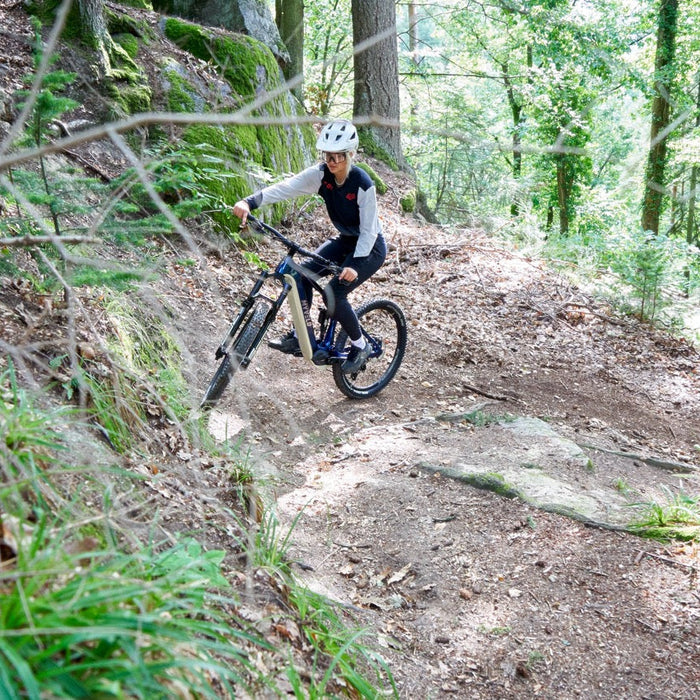
The big advantage of a mid-engine is that the engine can experience different gear ratios via the gearshift. This is a decisive advantage, especially on steep uphill rides and therefore for E-MTBs. This is certainly the main reason why the mid-engine has the edge on E-MTBs.
Don't hesitate to ask for your test e-bike and see for yourself the limitless freedom of a MYVELO. We are happy to help you.
Get advice from cycling enthusiasts