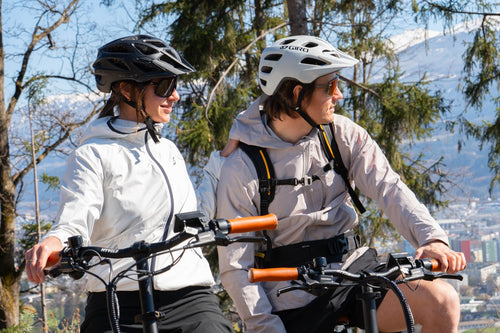
Many people know that exercise is healthy. But did you know that the timing of your activity can be crucial when it comes to blood sugar levels? New research shows that a short walk right after a meal can be more effective than a workout beforehand. For people who want to actively improve their health—whether through cycling, e-biking, or short walks—this simple strategy can have a big impact.
By Helena Burgardt 2 minutes read time


Published: February 1, 2026
Blood sugar levels rise after a meal. In healthy individuals, this rise quickly levels out, but in people with insulin resistance or diabetes, persistently high blood sugar levels can occur. In the long term, these spikes can damage blood vessels, strain organs, and increase the risk of cardiovascular disease.
Exercise helps stabilize blood sugar. Even short periods of activity stimulate the muscles to absorb sugar from the blood, thus reducing post-meal spikes.

A recent meta-analysis investigated whether exercise before or after eating is more effective.
Key findings:
✅ Exercise after eating significantly lowers blood sugar levels after meals.
❌ Exercise before eating has little effect on blood sugar levels afterwards.
⏱️ The sooner you become active after eating, the greater the effect.
Science shows that not only the type or intensity of movement counts – timing is also crucial.
Blood sugar levels are highest after eating. Muscles can use this sugar directly when you exercise. This makes insulin more efficient, which facilitates glucose uptake into the muscle cells. This means that exercise after eating acts as a natural blood sugar regulator.
Furthermore, the cardiovascular system benefits: Even moderate activity after meals can slightly lower blood pressure and improve circulation. For cyclists or e-bike enthusiasts, this means that a short ride after lunch can not only stimulate circulation but also improve blood sugar control.
Get active right after eating: A 10-20 minute walk or a short bike ride is enough.
Short, regular sessions: Even mini-rides on the bike or climbing stairs in the office are effective.
Integrate into everyday life: Go straight outside after lunch or use the e-bike for a short ride.
Adjust the intensity: Moderate exercise is sufficient – it doesn't have to be strenuous.
Regularity: The more often you are active after meals, the more lasting the effect.
E-bikes offer the perfect opportunity: A short e-bike ride after a meal allows you to control the intensity yourself. This combines health benefits with fun and mobility. Even short 15-minute rides are enough to stabilize blood sugar and activate muscles.
Regular exercise after meals can have long-term benefits:
improve insulin sensitivity
Supporting weight control
reduce the risk of type 2 diabetes
strengthen heart health
In short: Small changes in everyday life can have a big impact. Paying attention to blood sugar levels can not only help prevent illness, but also give you more energy for the day.
It's not just how much you exercise, but also when you exercise that counts. If you want to stabilize your blood sugar after meals, you should plan short walks or bike rides directly after eating. Small steps, big effect – everyday life becomes a health booster.