The bicycle, as we know it today, is the result of over 200 years of innovation, experimentation, and societal change. What once began as a simple running machine has evolved through many stages into one of the world's most important means of transportation. This article traces this fascinating development – from the first ideas in Germany to its global spread across Europe, the USA, and Asia.
By Vincent Augustin 3 minutes read time


Published: November 1, 2026
The history of the bicycle begins in 1817 with the German inventor Karl Drais . His so-called "running machine"—also known as a draisine—is considered the original form of the bicycle. 👉 Features of the draisine:
Two wheels in a row
No pedal drive
Locomotion by pushing off with the feet
This invention was a direct response to a crisis: After the "Year Without a Summer" in 1816 (caused by a volcanic eruption), horses became scarce and expensive. Drais sought an alternative – and thus laid the foundation for the bicycle.
In the 1860s, the idea was further developed in France. The crucial advancement: pedals on the front wheel .
Key players included:
Pierre Michaux
Ernest Michaux
👉 The so-called "velocipede" brought:
first time mechanical drive
higher speeds
but also a significant loss of driving comfort (due to wooden wheels)
It was also called the "boneshaker" for good reason.
The famous high-wheel bicycle ("penny-farthing") originated in England in the 1870s.
👉 Typical features:
Huge front wheel
Small rear wheel
Direct drive via the front wheel
The penny-farthing allowed for significantly higher speeds – but was extremely dangerous. Falls from great heights were not uncommon.
Nevertheless, it became a status symbol of the wealthy society.
The real breakthrough also came from England:
👉 The “Safety Bicycle” (safety bike)
Key innovations:
Two wheels of equal size
Chain drive to the rear wheel
Low center of gravity
This design is essentially the same as today's bicycle.
In parallel, John Boyd Dunlop developed the air-filled tire – a milestone for comfort and efficiency.
At the end of the 19th century, the bicycle became a mass-produced item :
The bicycle quickly became popular in the United States:
Mass production made it affordable
It became a symbol of freedom and individuality.
Germany has developed into an important production location:
Numerous bicycle manufacturers emerged
technical precision and quality became trademarks
Centers of innovation and racing culture
The first bicycle races were created
👉 The bicycle became, for the first time, an everyday means of transport for broad sections of the population .

The bicycle had enormous social impact:
Mobility for all : People could travel independently
Women's movement : The bicycle was considered a symbol of emancipation.
Urban planning : Infrastructure began to adapt.
It was more than a means of transportation – it became a driving force for social change.
With the rise of the automobile, the bicycle initially lost importance – especially in the USA.
However, it remained relevant in Europe:
as a cheap means of transport
during war and post-war times
From the 1970s onwards, the bicycle experienced a comeback:
Environmental awareness increased
Oil crises made alternatives attractive
The first bicycle-friendly cities were created (e.g. in the Netherlands)
In countries like China and India, the bicycle became the dominant means of transport in the 20th century.
👉 Reasons:
low costs
easy maintenance
high efficiency in dense urban traffic
Especially in China, the bicycle was long considered the "vehicle of the people".
Today the picture is changing:
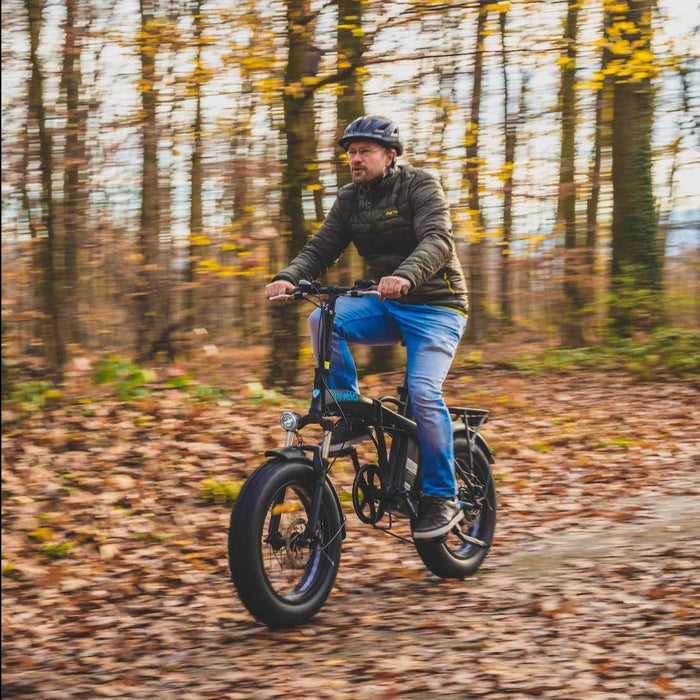
E-bikes are booming
Sharing systems are emerging in megacities

Today, the bicycle is more versatile than ever:
Carbon racing bikes
Mountain bikes for every terrain
Urban bikes for commuters
E-bikes with intelligent support
Especially in urban areas, the bicycle is experiencing a new golden age – as a response to:
Traffic problems
Environmental issues
the desire for a better quality of life
It has been a long journey from Karl Drais's simple running machine to the modern e-bike. The evolution of the bicycle reflects technological innovation, social change, and global trends.
Today, the bicycle is more than just a means of transport: it stands for freedom, sustainability and quality of life – and its story is far from over.