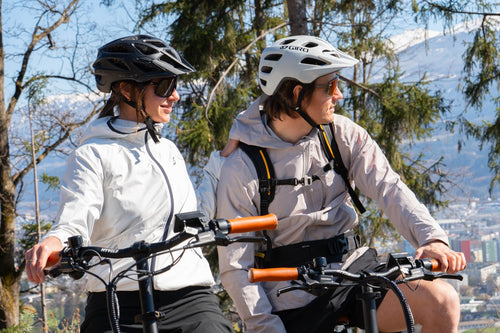
Wild camping holds a special appeal for many campers: it allows them to enjoy nature undisturbed, discover remote locations, and escape the daily grind. However, reality is often different than expected: wild camping is not permitted everywhere, and the rules vary considerably from region to region – even in countries generally considered "wild camping friendly".
By Sven Herzog 2 minutes read time


Published: May 8, 2026 | Updated: May 21, 2026
Wild camping is generally prohibited in Germany. This means that spending the night in meadows, forests, or hiking parking lots without official permission can result in fines .
Realistic options for weekend campers:
Parking areas for hikers: Some parking areas at the edge of the forest or along hiking trails allow overnight stays in cars or campers – but be careful: pay attention to the signs, not every parking area is legal to use.
Trekking sites & nature campsites: These sites are officially approved, often inexpensive, and located in remote areas. Overnight stays are legal here, often with minimal infrastructure (toilets, drinking water).
Farms: Some farmers allow camping on their property or adjacent fields. A quick phone call beforehand clarifies permission – and you'll be supporting local businesses at the same time.
💡 Tip: If you want to stay mobile, you can use a folding e-bike to do shopping or travel short distances without using the car.
Many people believe that you can camp freely throughout Sweden. That's not true:
Northern Sweden: Here, the right of public access ("Allemansrätten") largely applies; one can camp away from houses and fields as long as one respects nature.
Southern Sweden: Camping is prohibited almost everywhere! In many regions, there are signs prohibiting camping, and violations can result in heavy fines .
Practical tip: If you are traveling in Sweden, you should check beforehand in which part of the country camping is allowed and, if in doubt, use official campsites.

No matter where you camp, the rule is: Leave No Trace .
Take your rubbish with you.
Only light fires in designated areas
Do not disturb plants and animals
This way, nature remains protected – and secluded places can still be enjoyed in the future.
Equipment: Lightweight tent or campervan, sleeping bag, sleeping mat.
Flexibility: An e-bike folding bike is ideal for going to the supermarket, the bakery or the nearest hiking parking lot.
Weather & Safety: Check the weather forecast, have a mobile phone/GPS with you, avoid isolated or potentially dangerous areas.
Rules check: Before setting off, check whether the parking lot, trekking site, or region allows overnight stays. Pay close attention to all signs.
Use your network: Camper forums, apps or local tourism websites often provide information on legal campsites away from the crowds.
Wild camping can be a great weekend adventure – if you know the rules and stay realistic . In Germany, hiking parking lots, trekking sites, or farm campsites are the legal options. In Sweden, the right of public access only applies in the north; in southern Sweden, hefty fines are possible. Those who are prepared, pay attention to signs, and act sustainably can safely enjoy the freedom of nature.
Get advice from cycling enthusiasts