


Entdecke den MYVELO
E-Bike Onlineshop
Entdecke Dein Traum E-Bike im MYVELO Onlineshop. Direkt vom Hersteller Dein Fahrrad aussuchen.
Speichen verbinden Nabe und Felge und machen das Laufrad stabil. Hier erfährst Du, wie eine Fahrradspeiche aufgebaut ist, wie viele Speichen ein Fahrrad hat, welche Speichenarten und Einspeichmuster es gibt und was bei einer gerissenen Speiche zu tun ist.
A bicycle spoke is a thin metal rod that connects the bicycle rim to the wheel hub. Spokes play a crucial role in the stability, strength, and elasticity of the wheel. They distribute the forces acting on the wheel evenly and ensure that it retains its shape even under stress.
There are different spoke patterns on bicycles, such as straight spokes or cross spokes, which vary depending on the area of use.
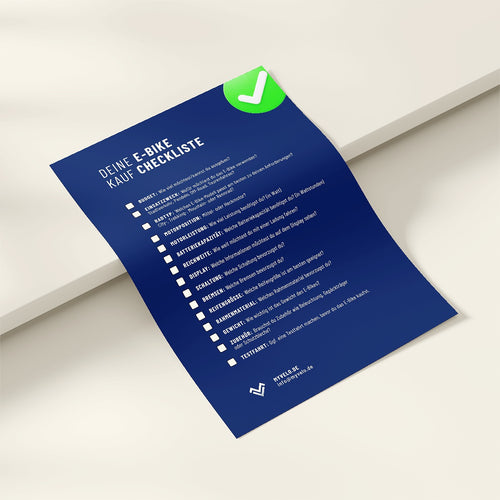

Entdecke den MYVELO
Entdecke Dein Traum E-Bike im MYVELO Onlineshop. Direkt vom Hersteller Dein Fahrrad aussuchen.

Dein Traumrad
MYVELO hat einen Flagshipstore in Oberkirch und ist regelmäßig auf Messen vertreten. Komm in unseren Flagship Store und probiere Dein Traum Bike aus. Lass Dich von uns zu Deinen Anforderungen beraten.

Leasen statt kaufen
Spare mit Leasing! Finanziere Dein Traum E-Bike ganz einfach über Deinen Arbeitgeber. MYVELO unterstützt Dich im Leasing-Prozess bei Deinen Fragen.

Carbon wheels are lightweight, stiff, and aerodynamic – which is why they are the first choice for many road cyclists. At the same time, carbon is a high-performance material that requires slightly more careful handling than classic aluminum rims. Mistakes often occur, especially when inflating the tires : excessive pressure, incorrect valve stems, or uneven inflation can, in the worst case, damage the rim tape, inner tube, or even the rim itself.
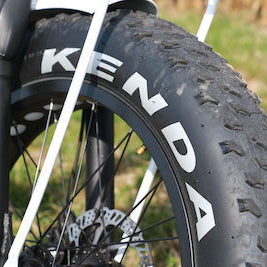
A flat tire can abruptly end any bike ride. In Germany, when people talk about "changing a bicycle tire," they often mean changing the inner tube , as this is the most common cause of a flat. However, it can also be worthwhile to change the tire itself if the tread is worn down or if cracks or cuts are visible. In this article, we explain step by step how to properly change the inner tube and tire, what tools are needed, and what to look out for to ensure your bicycle tires and inner tubes last a long time.

Following 26-, 27.5-, and 29-inch wheels, a new revolution is rolling into the mountain bike world: 32-inch wheels . Early prototypes are causing a stir in both the MTB and gravel sectors. Initial test rides in the Swiss Alps show that anyone who has ridden a 32-inch wheel experiences a completely new dimension in terms of smoothness, traction, and efficiency.
Carbon wheels are lightweight, stiff, and aerodynamic – which is why they are the first choice for many road cyclists. At the same time, carbon is a high-performance material that requires slightly more careful handling than classic aluminum rims. Mistakes often occur, especially when inflating the tires : excessive pressure, incorrect valve stems, or uneven inflation can, in the worst case, damage the rim tape, inner tube, or even the rim itself.
A flat tire can abruptly end any bike ride. In Germany, when people talk about "changing a bicycle tire," they often mean changing the inner tube , as this is the most common cause of a flat. However, it can also be worthwhile to change the tire itself if the tread is worn down or if cracks or cuts are visible. In this article, we explain step by step how to properly change the inner tube and tire, what tools are needed, and what to look out for to ensure your bicycle tires and inner tubes last a long time.
Following 26-, 27.5-, and 29-inch wheels, a new revolution is rolling into the mountain bike world: 32-inch wheels . Early prototypes are causing a stir in both the MTB and gravel sectors. Initial test rides in the Swiss Alps show that anyone who has ridden a 32-inch wheel experiences a completely new dimension in terms of smoothness, traction, and efficiency.
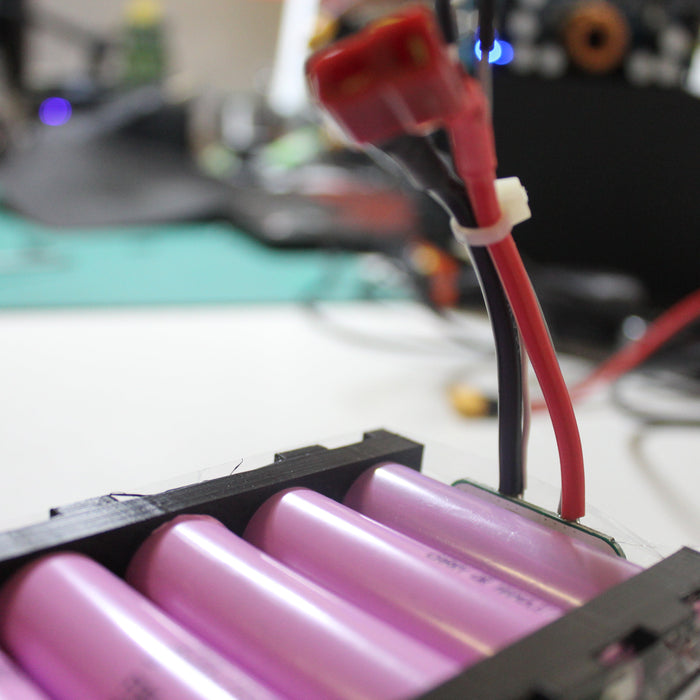
52V e-bike battery: More power than 48V – but what's behind it? We explain how 52V works, when it makes sense, and what you need to pay attention to.
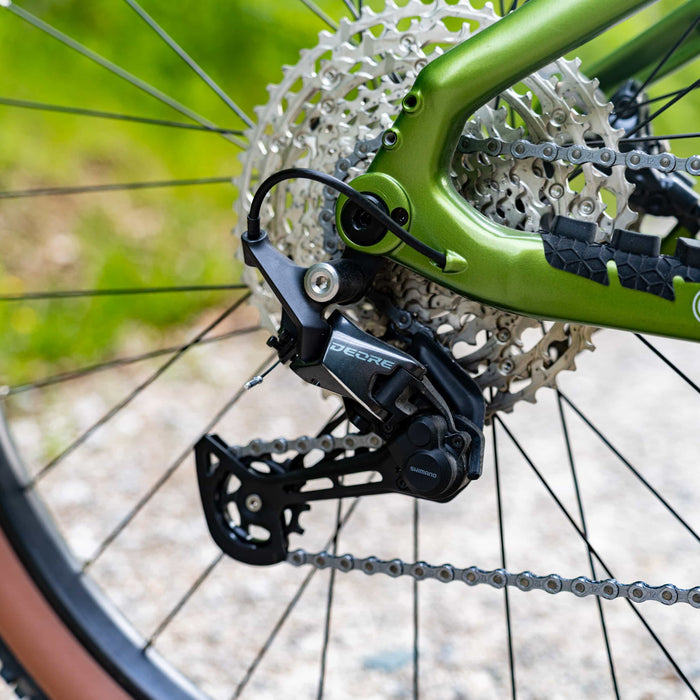
Platten am E-Bike? So wechselst oder flickst Du den Schlauch an einem Rad mit Steckachse: Schritt für Schritt für Vorder- und Hinterrad, mit Hinweisen zu Motor, Kabel, Scheibenbremse und Drehmoment.
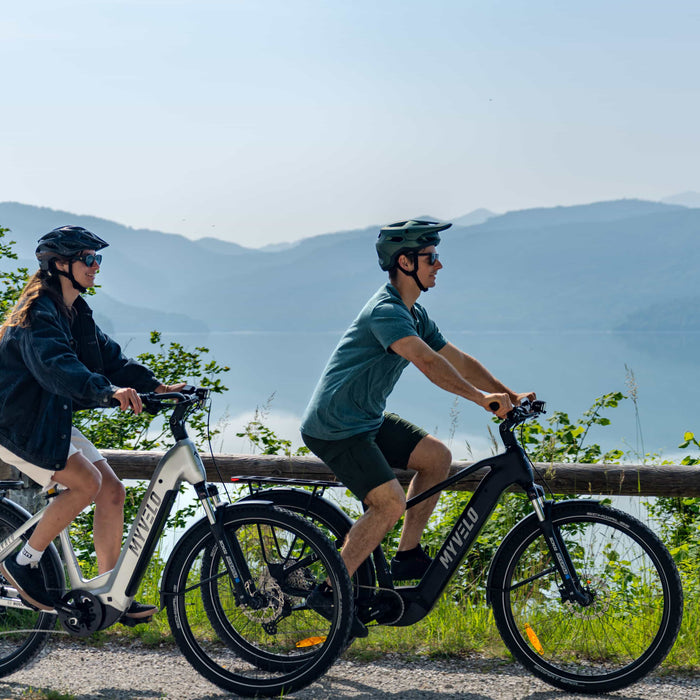
SUV e-bikes are the all-rounders among electric bicycles. They combine the robustness of a mountain bike with the everyday practicality of a trekking bike – and at the same time offer enough comfort and range for longer journeys. Anyone looking for an e-bike for everyday use, leisure, and touring will sooner or later come across this versatile category.
Die häufigsten Fragen und Antworten