


Entdecke den MYVELO
E-Bike Onlineshop
Entdecke Dein Traum E-Bike im MYVELO Onlineshop. Direkt vom Hersteller Dein Fahrrad aussuchen.
Die Steckachse ist eine Achse, die durch Nabe und Gabel bzw. Rahmen gesteckt und verschraubt wird. Dieser Artikel erklärt Aufbau, Vorteile gegenüber dem Schnellspanner, die gängigen Standards (Boost, 12 × 100, 12 × 142) und worauf Du bei Ein- und Ausbau achten musst.
A thru axle (also known as a thru axle system) is a special type of axle system used in various vehicles, particularly bicycles and mountain bikes . Unlike traditional quick releases, which secure the wheel with a quick release nut, the thru axle uses an axle permanently attached to the frame or fork that is secured by a locking mechanism.
Here are some features and benefits of thru axles:
Stiffness : Thru axles typically offer greater stiffness compared to traditional quick releases. This can improve steering precision and handling, especially on mountain bikes, which are often subjected to extreme loads.
Safety : Thru axles provide a more secure attachment of the wheel to the frame or fork. This can be especially important when the bike is used on challenging routes or rough terrain.
Accuracy and repeatability : The use of a thru axle allows for more precise positioning of the wheel in the frame. This can be important when it comes to repeatability of adjustments during different maintenance operations or when the wheel is removed and reinstalled.
Thru axles are available in a range of diameters and lengths, and the exact specification can vary depending on the bike type and manufacturer. They are often used in high-end mountain bikes, road bikes , and other specialized bikes.
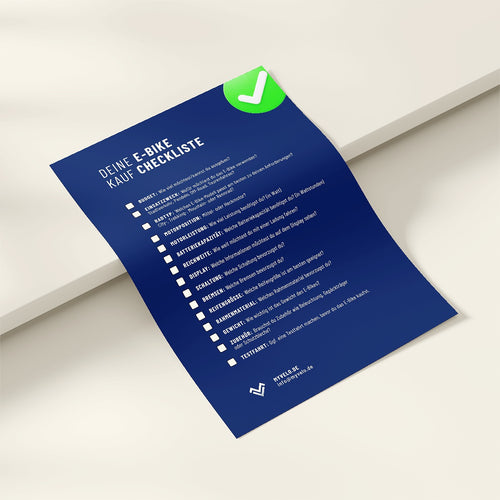

Entdecke den MYVELO
Entdecke Dein Traum E-Bike im MYVELO Onlineshop. Direkt vom Hersteller Dein Fahrrad aussuchen.

Dein Traumrad
MYVELO hat einen Flagshipstore in Oberkirch und ist regelmäßig auf Messen vertreten. Komm in unseren Flagship Store und probiere Dein Traum Bike aus. Lass Dich von uns zu Deinen Anforderungen beraten.

Leasen statt kaufen
Spare mit Leasing! Finanziere Dein Traum E-Bike ganz einfach über Deinen Arbeitgeber. MYVELO unterstützt Dich im Leasing-Prozess bei Deinen Fragen.
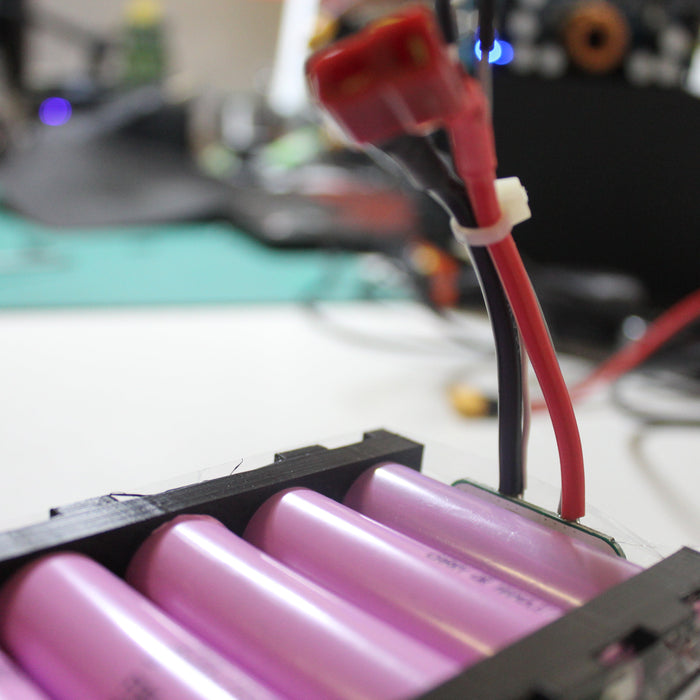
52V e-bike battery: More power than 48V – but what's behind it? We explain how 52V works, when it makes sense, and what you need to pay attention to.
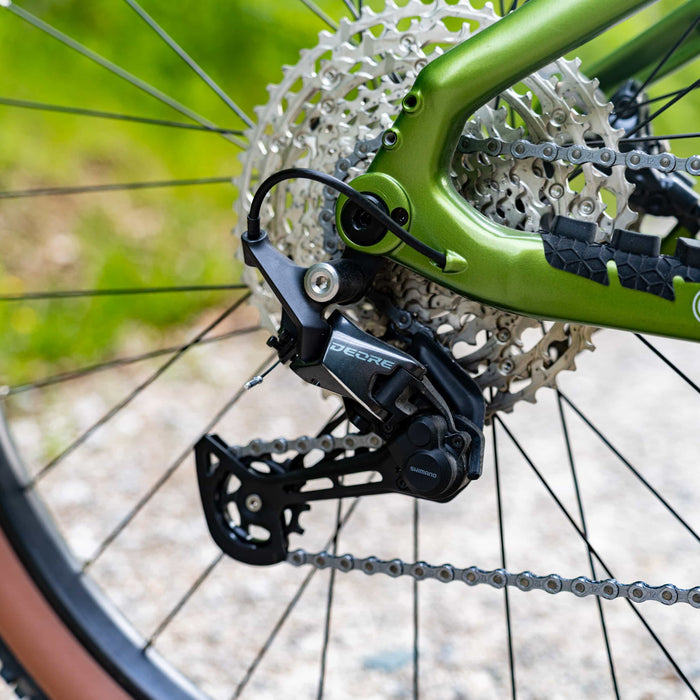
Platten am E-Bike? So wechselst oder flickst Du den Schlauch an einem Rad mit Steckachse: Schritt für Schritt für Vorder- und Hinterrad, mit Hinweisen zu Motor, Kabel, Scheibenbremse und Drehmoment.
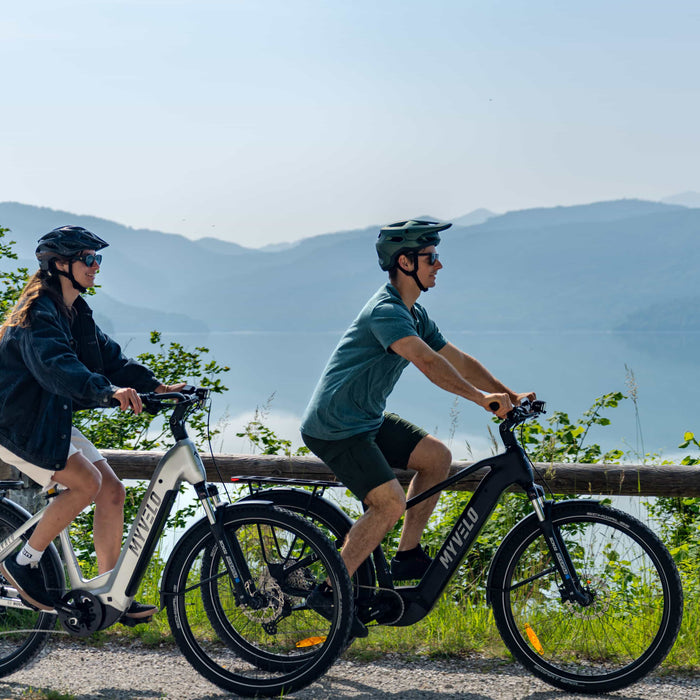
SUV e-bikes are the all-rounders among electric bicycles. They combine the robustness of a mountain bike with the everyday practicality of a trekking bike – and at the same time offer enough comfort and range for longer journeys. Anyone looking for an e-bike for everyday use, leisure, and touring will sooner or later come across this versatile category.
Die häufigsten Fragen und Antworten