


Entdecke den MYVELO
E-Bike Onlineshop
Entdecke Dein Traum E-Bike im MYVELO Onlineshop. Direkt vom Hersteller Dein Fahrrad aussuchen.
Der Umwerfer schaltet die Kette vorne zwischen den Kettenblättern. Hier erfährst Du, wie ein Umwerfer am Fahrrad funktioniert, welche Bauarten es gibt, wie Du ihn einstellst und warum viele Räder heute ganz ohne Umwerfer auskommen.
A front derailleur is a mechanical bicycle component mounted on the frame or seat post that moves the rear derailleur chain from the front sprocket to another sprocket. The derailleur is operated by a shift cable that is controlled by the bike's shift levers.
The front derailleur is typically connected to two to three chainrings on the front sprocket and allows the rider to switch between different gear ratios to meet the needs of the terrain and type of terrain. The front derailleur moves the rear derailleur chain from one chainring to another by changing the distance between the front derailleur and the sprocket, which switches the chain to the desired chainring.
Derailleurs are usually able to offer a large number of gear ratios, allowing the rider to have a wide range of gears available to suit the needs and demands of their ride. A well-adjusted derailleur can help ensure that shifting between different gears is smooth and precise.
There are several different types of derailleurs, including top-swing derailleurs, down-swing derailleurs, and side-swing derailleurs. Each type of derailleur has its own features and benefits, depending on the type of bike and its use.
There are some advantages to using a derailleur on a bike, but there are also some disadvantages. Here are some of the main advantages and disadvantages of derailleurs:
Versatility : A front derailleur allows the rider to switch between different gear ratios to suit the demands of the terrain and their own abilities.
Precise shifting : A well-adjusted front derailleur ensures precise and reliable shifting, which can lead to a better ride and a longer life of the chain and sprockets.
Less effort : Using a front derailleur allows the rider to adjust his gear ratios, reducing the amount of effort required to negotiate different climbs and descents.
Flexibility: Front derailleurs are able to offer a large number of gear positions, giving the rider a wide range of gear ratios.
Sensitivity : Due to their design, derailleurs are more sensitive than other parts of the gear system and can be easily damaged if operated accidentally or improperly.
Maintenance : Front derailleurs require regular maintenance and adjustment to ensure optimal performance. An incorrectly adjusted front derailleur can cause problems with shifting and increase wear on the chain and sprockets.
Complexity : The use of a front derailleur on a bicycle increases the complexity of the gear system and can cause cyclists to feel uncomfortable with the operation and maintenance of their gear system.
Potential problems : If a derailleur is poorly adjusted or damaged, it can result in poor performance and even cause the shifting to temporarily lock up, requiring repair.


Entdecke den MYVELO
Entdecke Dein Traum E-Bike im MYVELO Onlineshop. Direkt vom Hersteller Dein Fahrrad aussuchen.

Dein Traumrad
MYVELO hat einen Flagshipstore in Oberkirch und ist regelmäßig auf Messen vertreten. Komm in unseren Flagship Store und probiere Dein Traum Bike aus. Lass Dich von uns zu Deinen Anforderungen beraten.

Leasen statt kaufen
Spare mit Leasing! Finanziere Dein Traum E-Bike ganz einfach über Deinen Arbeitgeber. MYVELO unterstützt Dich im Leasing-Prozess bei Deinen Fragen.
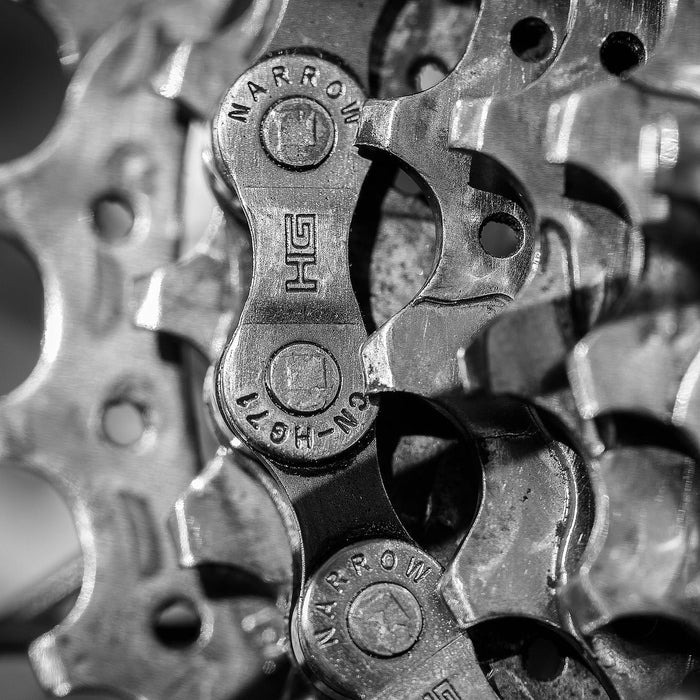
The derailleur is an essential component of the bicycle, ensuring smooth power transmission and efficient riding. If the gears don't shift smoothly, the chain drags, or jumps off the sprockets, the riding experience can be significantly impaired. With a few simple steps, the derailleur can be adjusted on the bike itself.
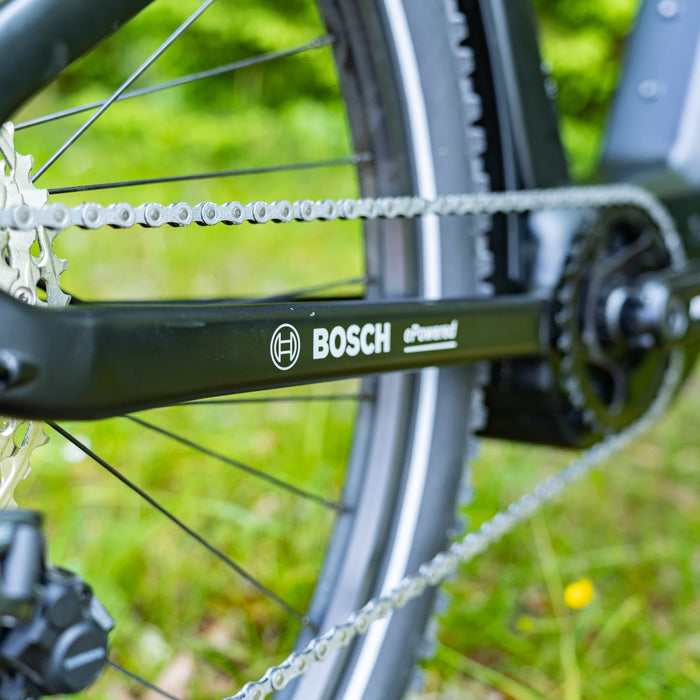
Anyone who rides a bicycle or e-bike knows: the right shifting technique makes all the difference between a smooth, energy-efficient ride and unnecessary effort. However, many cyclists don't use their gears optimally – whether out of uncertainty or habit. In this article, you'll learn how to shift correctly , what to look out for on e-bikes with derailleur or hub gears, and which mistakes to avoid .
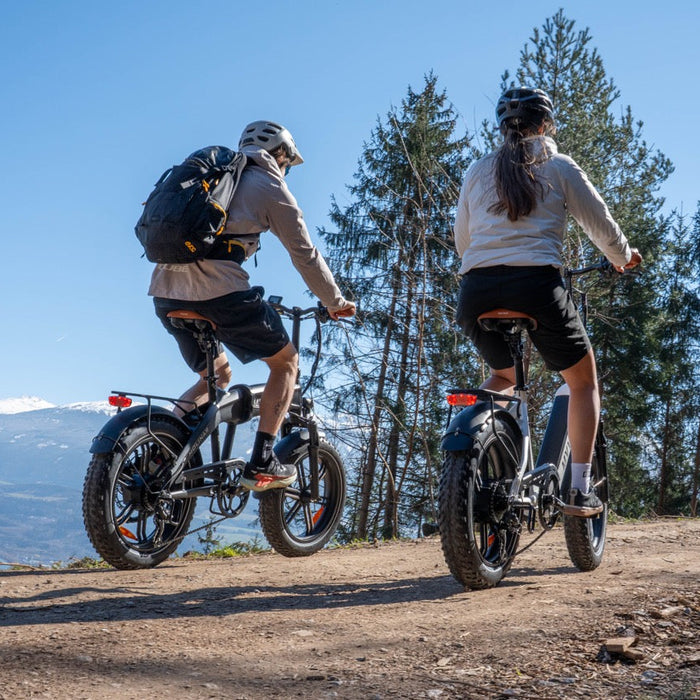
If you cycle regularly — whether on a road bike, mountain bike, or e-bike—you'll sooner or later come across the term "gear ratio." But what does that actually mean? What role does gear ratio play in your cadence, speed, and power transfer? And how do you find the right gearing for your riding style?
The derailleur is an essential component of the bicycle, ensuring smooth power transmission and efficient riding. If the gears don't shift smoothly, the chain drags, or jumps off the sprockets, the riding experience can be significantly impaired. With a few simple steps, the derailleur can be adjusted on the bike itself.
Anyone who rides a bicycle or e-bike knows: the right shifting technique makes all the difference between a smooth, energy-efficient ride and unnecessary effort. However, many cyclists don't use their gears optimally – whether out of uncertainty or habit. In this article, you'll learn how to shift correctly , what to look out for on e-bikes with derailleur or hub gears, and which mistakes to avoid .
If you cycle regularly — whether on a road bike, mountain bike, or e-bike—you'll sooner or later come across the term "gear ratio." But what does that actually mean? What role does gear ratio play in your cadence, speed, and power transfer? And how do you find the right gearing for your riding style?
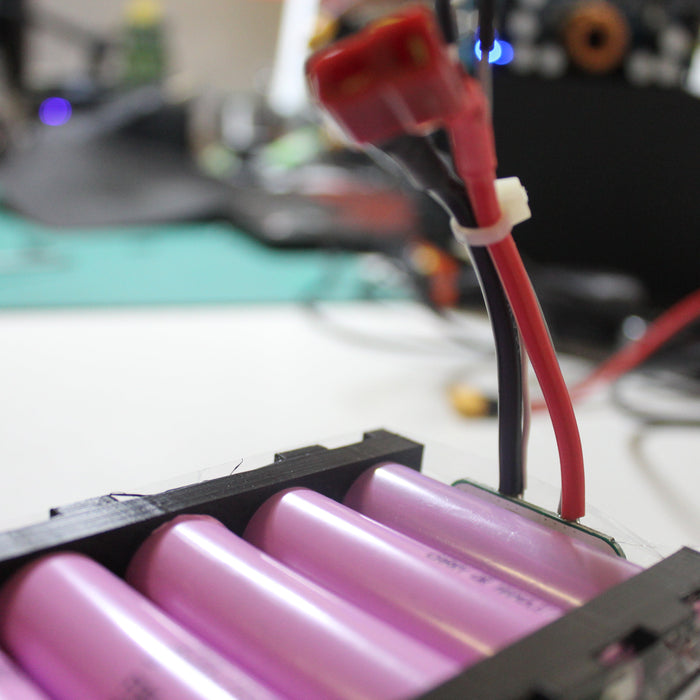
52V e-bike battery: More power than 48V – but what's behind it? We explain how 52V works, when it makes sense, and what you need to pay attention to.
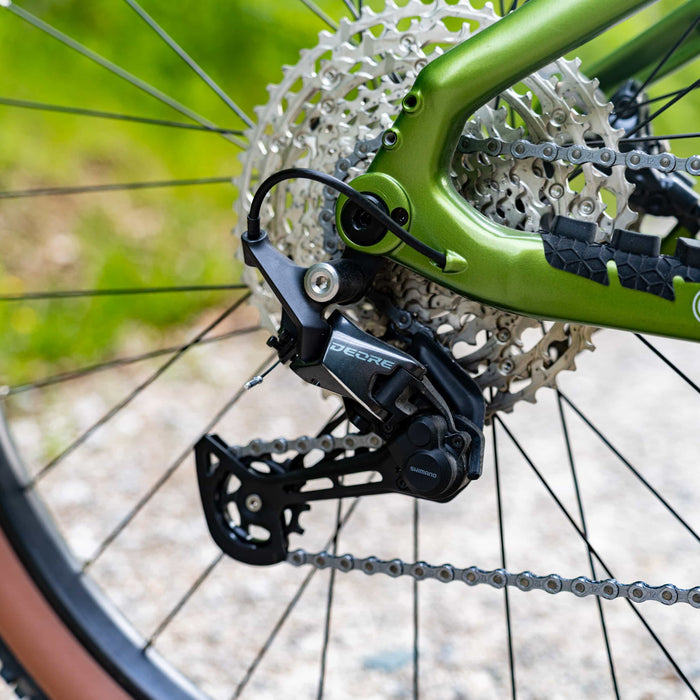
Platten am E-Bike? So wechselst oder flickst Du den Schlauch an einem Rad mit Steckachse: Schritt für Schritt für Vorder- und Hinterrad, mit Hinweisen zu Motor, Kabel, Scheibenbremse und Drehmoment.
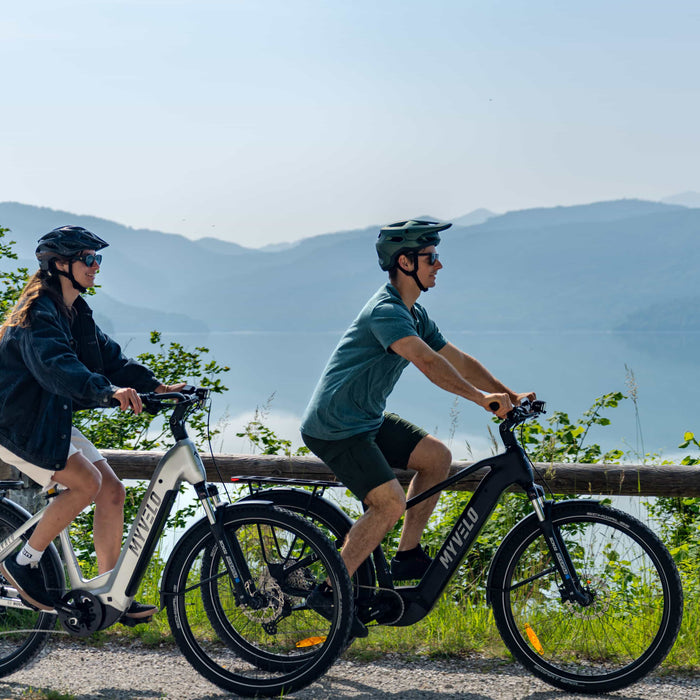
SUV e-bikes are the all-rounders among electric bicycles. They combine the robustness of a mountain bike with the everyday practicality of a trekking bike – and at the same time offer enough comfort and range for longer journeys. Anyone looking for an e-bike for everyday use, leisure, and touring will sooner or later come across this versatile category.
Die häufigsten Fragen und Antworten