


Entdecke den MYVELO
E-Bike Onlineshop
Entdecke Dein Traum E-Bike im MYVELO Onlineshop. Direkt vom Hersteller Dein Fahrrad aussuchen.
La Vuelta a España ist die Spanien-Rundfahrt und die letzte der drei Grand Tours im Radsportjahr. Hier erfährst Du alles zu Geschichte, Strecke, Trikots, Rekordsiegern und berüchtigten Anstiegen wie dem Angliru.
La Vuelta a España , or simply La Vuelta , is one of the three Grand Tours in professional road cycling, alongside the Tour de France and the Giro d'Italia . It has been held since 1935 and is considered one of the most prestigious stage races in the world.
The first Vuelta a España took place in 1935, inspired by the Tour de France and the Giro d'Italia. After interruptions due to the Spanish Civil War and World War II, the race established itself as a fixture on the international cycling calendar in the 1950s. Since 1995, it has traditionally been held in late summer (August/September) – thus concluding the Grand Tours .
La Vuelta typically comprises 21 stages covering approximately 3,000 kilometers . Its characteristic features include:
Mountain finishes : Especially in the Pyrenees, the Cantabrian Mountains, and the Sierra Nevada. The Vuelta is known for extremely steep climbs such as the Alto de l'Angliru or the Collado de la Gallina .
Heat : Due to the race being held in late summer, high temperatures and dry weather characterize the event.
Time trials : In addition to mountain and flat stages, individual and team time trials are part of the standard profile.
La Vuelta is considered a springboard for young talents and an opportunity for experienced riders to achieve further major success after the Tour de France or the Giro d'Italia. Many famous professionals such as Roberto Heras, Alberto Contador, Chris Froome, and Primož Roglič have won the Vuelta.
Similar to the Tour de France, different classification jerseys are awarded at the Vuelta:
Red jersey – overall leader (formerly yellow and gold, red since 2010)
Green Jersey – Points Ranking
Polka dot jersey – Mountain classification
White jersey – Best young rider
Today, La Vuelta is part of the UCI WorldTour and attracts the best teams and riders in the world every year. Its media reach is global, and the race is considered particularly tough due to its many steep climbs and demanding summer climate.


Entdecke den MYVELO
Entdecke Dein Traum E-Bike im MYVELO Onlineshop. Direkt vom Hersteller Dein Fahrrad aussuchen.

Dein Traumrad
MYVELO hat einen Flagshipstore in Oberkirch und ist regelmäßig auf Messen vertreten. Komm in unseren Flagship Store und probiere Dein Traum Bike aus. Lass Dich von uns zu Deinen Anforderungen beraten.

Leasen statt kaufen
Spare mit Leasing! Finanziere Dein Traum E-Bike ganz einfach über Deinen Arbeitgeber. MYVELO unterstützt Dich im Leasing-Prozess bei Deinen Fragen.

The Giro d'Italia is much more than a cycling race. It is a journey through Italy's stunning landscapes, a story of heroism and strategy, and a true spectacle for any cycling enthusiast. If you are a road bike fan, the Giro is the perfect opportunity to delve deeper into the world of professional cycling.
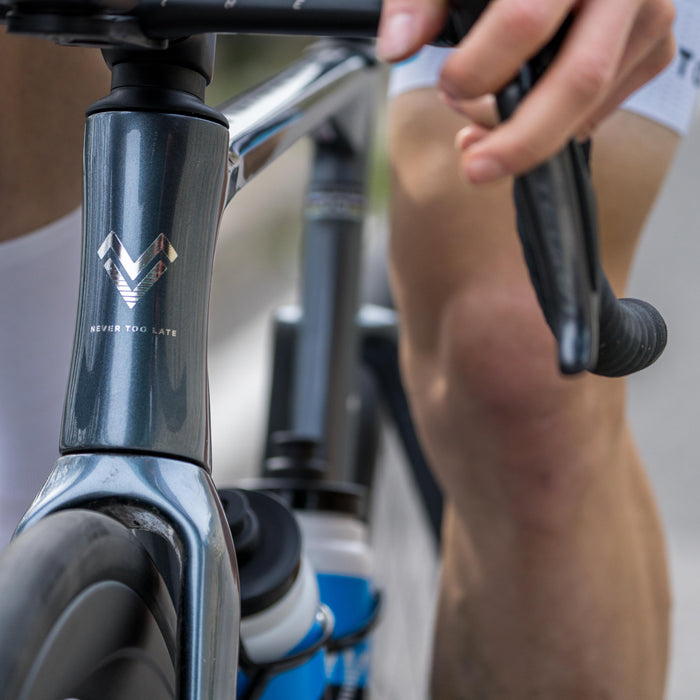
Die Tour de France 2026 ist entschieden: Tadej Pogačar fährt zum fünften Mal in Gelb nach Paris und schließt zu den Rekordsiegern auf. Das Finale über den Montmartre entschied Mathieu van der Poel um eine halbe Radlänge – gegen seinen eigenen Sprinter.

The Tour de France is not just a cycling race. It's a legend. Every July, it draws millions of spectators to the roads of France, captivates television viewers worldwide, and makes cycling fans dream. But what makes the Tour so unique is not just the distance covered, but the symbols that have become established over more than 120 years – from legendary jerseys and iconic mountains to distinctive rituals.

In professional cycling, the spotlight usually falls on the team leaders – those riders who win stages, wear the yellow jersey, or triumph in the Grand Tours. But behind each of these successes lies an often underestimated role: the super-domestique . Without them, victories at the Tour de France, the Giro d'Italia , or the Vuelta a España would be virtually impossible.
The Giro d'Italia is much more than a cycling race. It is a journey through Italy's stunning landscapes, a story of heroism and strategy, and a true spectacle for any cycling enthusiast. If you are a road bike fan, the Giro is the perfect opportunity to delve deeper into the world of professional cycling.
Die Tour de France 2026 ist entschieden: Tadej Pogačar fährt zum fünften Mal in Gelb nach Paris und schließt zu den Rekordsiegern auf. Das Finale über den Montmartre entschied Mathieu van der Poel um eine halbe Radlänge – gegen seinen eigenen Sprinter.
The Tour de France is not just a cycling race. It's a legend. Every July, it draws millions of spectators to the roads of France, captivates television viewers worldwide, and makes cycling fans dream. But what makes the Tour so unique is not just the distance covered, but the symbols that have become established over more than 120 years – from legendary jerseys and iconic mountains to distinctive rituals.
In professional cycling, the spotlight usually falls on the team leaders – those riders who win stages, wear the yellow jersey, or triumph in the Grand Tours. But behind each of these successes lies an often underestimated role: the super-domestique . Without them, victories at the Tour de France, the Giro d'Italia , or the Vuelta a España would be virtually impossible.
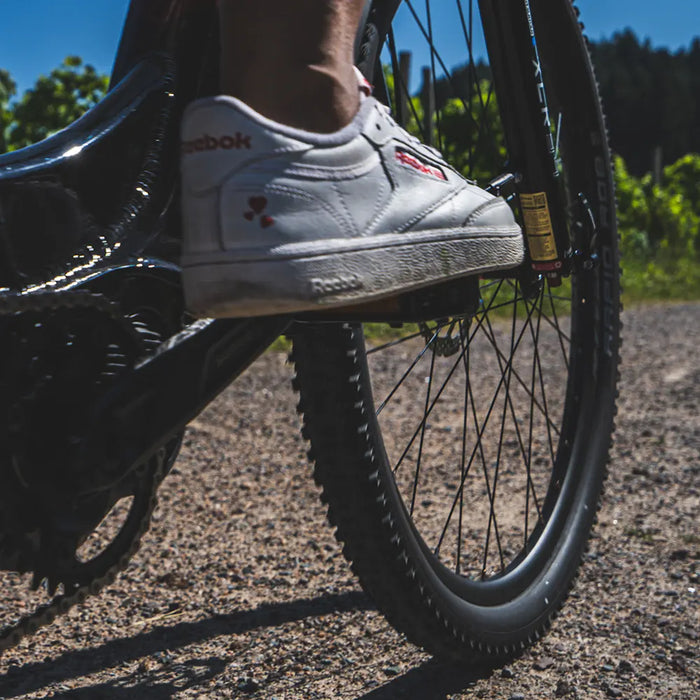
Trial ist der Radsport für Balance und Bike-Kontrolle. Fünf einfache Übungen aus dem Trial-Training helfen Dir, Dein E-Bike im Alltag und im Gelände sicherer zu beherrschen.
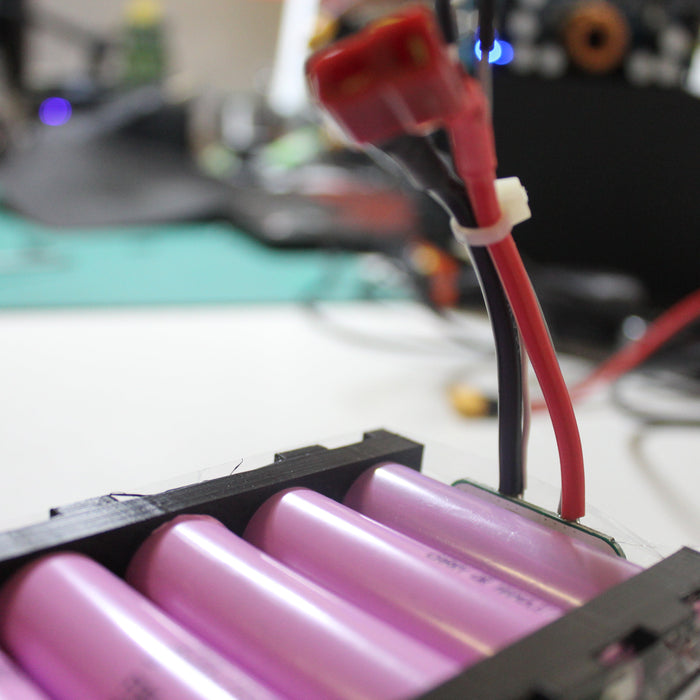
52V e-bike battery: More power than 48V – but what's behind it? We explain how 52V works, when it makes sense, and what you need to pay attention to.
Die häufigsten Fragen und Antworten